There’s a familiar version of a cosmetic visit that has quietly gone out of date. A patient points at one line. The injector treats that one line. The patient leaves, and for three or four weeks, that specific line is better.
The problem is that a face isn’t a grid of independent lines. Treat one, and the others become more visible by contrast. Smooth the forehead, and the eyebrows look heavier. Inflate the lips, and the chin looks small. Relax the crows’ feet, and the cheek that wasn’t holding its position suddenly reads as the oldest feature on the face. The reason modern aesthetic work can look strange even when the individual treatment is technically fine is that the underlying plan was piecewise rather than whole.
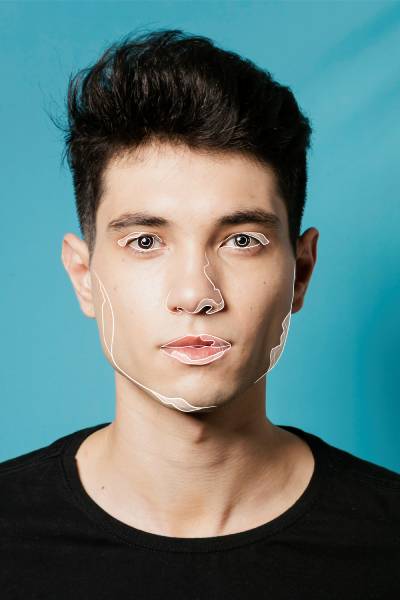
This is what the shift toward whole face optimization is actually correcting. Instead of chasing isolated wrinkles, the plan begins with the geometry of the entire face. Patients now looking for an aesthetics clinic in Garden City are asking the right question: how to restore facial harmony rather than how to erase one line at a time.
The modern version of this work sometimes goes by the name liquid facelift, though the name undersells it. The point isn’t to mimic surgery. The point is to treat the face as one connected structure rather than a collection of complaints.
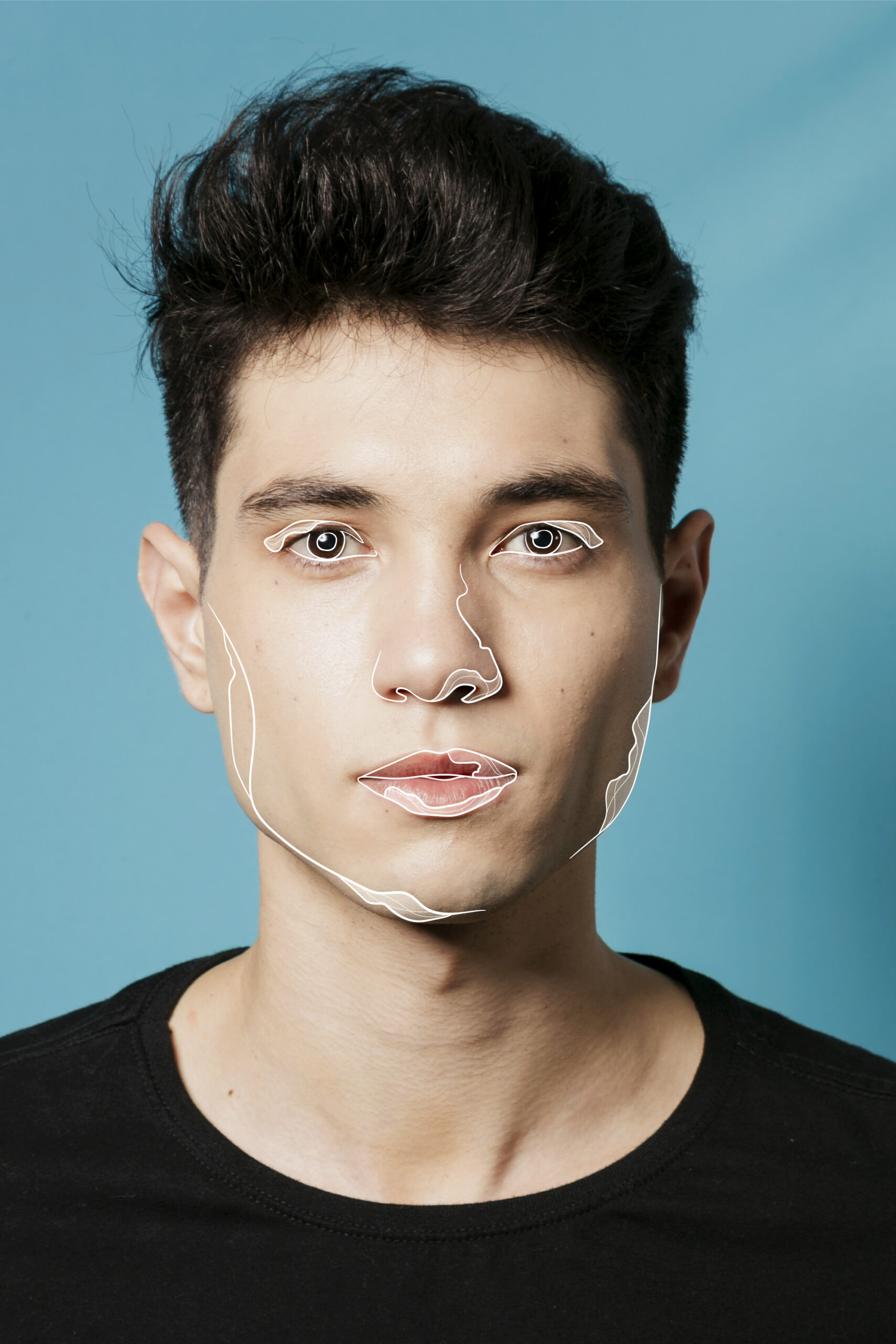
Start with Geometry
An old-school consultant asked the patient what bothers them and treated the list. A cohesive plan maps the face first, and then discusses what bothers the patient in the context of what the face is actually doing.
That mapping looks at three zones as proportions of each other:
- Upper third: forehead to brow.
- Middle third: brow to the base of the nose.
- Lower third: nose to chin.
In a young face, those three zones are close to equal. As the face ages, the lower third compresses, the midface flattens, and the upper third gains disproportionate weight because of brow descent and forehead creasing. The list of complaints a patient brings in almost always traces back to one of those zones falling out of proportion with the others.
Once the geometry is mapped, the treatment plan is no longer a list of line treatments. It becomes a set of structural corrections aimed at restoring the ratios. The wrinkle the patient pointed to is still addressed, but in the context of the face it lives on.
Treat Multiple Layers
The second shift is how the work stacks across layers. A single modality can only do one thing. Each of the main treatment categories works at a different depth of the face:
- Neurotoxin calms movement.
- Filler restores volume or supports a structural vector.
- Energy-based skin tightening rebuilds dermal density.
- Laser resurfacing changes surface texture.
Each one has a failure mode when used alone on a patient who needed more than one layer treated.
A patient with fine lines, lost cheek volume, and laxity in the lower face doesn’t improve much if you treat only the lines. The cheek issue keeps pulling the lower face down, and the filler you add to the cheek doesn’t hold as well against skin that’s losing elasticity.
The cohesive version treats all three at once. Neurotoxin to calm the dynamic lines, small amounts of filler at the structural anchors, and a course of radiofrequency microneedling to thicken the matrix that holds everything together. No single treatment is doing more than it should, which is why the result looks natural rather than heavy.
Build a Calendar
Facial changes don’t arrive all at once, and corrections don’t hold all at once either. Each modality runs on its own timeline:
- Neurotoxin fades on a three- to four-month cycle.
- Filler depreciates over six to eighteen months, depending on the product and location.
- Energy device collagen stimulation builds over a three- to six-month window after treatment.
- Skin laxity continues to progress in the background, regardless of what’s been done.
A smart plan spreads those timelines across a calendar rather than compressing everything into one appointment. An optimization roadmap might look something like:
- Month 1: skin tightening session.
- Month 3: filler adjustments.
- Month 4: neurotoxin refresh.
- Month 6: follow-up assessment to see how the face has settled.
The patient ends up with steady, incremental maintenance rather than a dramatic reset every year. The face keeps looking like itself because the changes are gradual enough that nobody can pick out what was done.
Facial Harmony
The word “harmony” is used loosely in aesthetic marketing, but in a clinical sense, it has a specific definition. It means the face reads as one coordinated structure rather than a set of separately treated features. It’s what happens when the plan respects the geometry, addresses the right layers, and is paced across the right timeline.
Patients who receive this kind of work often find that other people don’t ask what they have done. People just say they look rested or like themselves on a good day. That’s the actual goal of whole face optimization. Not looking like a different person, and not looking like someone who has been worked on. Looking like the best version of the face you’ve always had, held together as a single structure rather than a list of corrections.
Whole Face Optimization
The direction in which aesthetic medicine is moving is clear. The era of isolated wrinkle treatments is closing. The patients who get the best results in the next decade will be the ones who start treating their face as an ongoing structural project rather than an emergency room for lines that have already appeared.
The earlier the cohesive plan begins, the less work the face will need over time, because the structure is maintained rather than rescued. That’s the strategic argument for optimization. You do less, earlier, and end up needing less total intervention to look steadily like yourself for years.
A Smarter Approach to Aging Well
Whole-face optimization isn’t a single procedure. It’s a planning philosophy that respects how a face is actually built and how it actually changes over time. The patients who benefit most are the ones who stop thinking in terms of fixing what’s already wrong and start thinking in terms of maintaining what’s still working.
That mindset shift is where the real long-term value sits, and it’s quietly becoming the new baseline for what good aesthetic care looks like. Patients in the Garden City area looking to start this kind of cohesive, physician-led plan can book a whole-face optimization consultation at Zoyya Anti-Aging & Aesthetics to map out where their face sits on that timeline.
Featured Image Source: https://www.freepik.com/free-vector/man-s-portrait-with-lines-his-face_7944137.htm#fromView=search&page=1&position=2&uuid=1610e96a-3c11-46ef-9eb1-2401f0cc7c40&query=Whole+face+optimization